A Taste of Mexico: Exploring Authentic Mexican Cuisine
Embark on a culinary journey south of the border as we dive into the vibrant world of Mexican cuisine in all its flavorful glory. In this blog post, we will unravel the rich tapestry of Mexico's gastronomic history, tracing the roots of traditional dishes passed down through generations. From the indigenous ingredients that form the foundation of authentic flavors to the regional variations that showcase the country's diverse culinary heritage, we will explore every aspect that makes Mexican cuisine a true culinary masterpiece.
Prepare your taste buds for a feast as we deep-dive into the heart of Mexican cooking, from the iconic street tacos to the soul-warming tamales that have captured the hearts of food lovers worldwide. And just when you thought you knew all there is about Mexican food, we will also unveil the innovative fusion food scene that puts a modern twist on classic recipes, blending traditional flavors with contemporary techniques. Get ready to savor the essence of Mexico through its delicious dishes in this tantalizing exploration of one of the world's most beloved culinary traditions
Delving into the Rich History of Mexican Cuisine
Mexican cuisine is much more than just food - it is a reflection of the country's diverse history and cultural heritage. The rich tapestry of Mexican cuisine can be traced back thousands of years, blending indigenous Mesoamerican flavors with Spanish, African, and even Asian influences. This fusion of traditions and ingredients has given rise to a vibrant culinary landscape that is as varied as it is delicious.
One of the cornerstones of Mexican cuisine is corn, which has been cultivated in the region for over 9,000 years. This staple ingredient forms the basis of tortillas, tamales, and a myriad of other dishes that have become synonymous with Mexican gastronomy. The Spanish conquistadors introduced ingredients such as rice, wheat, and livestock, further enriching the local cuisine and creating new culinary possibilities.
The use of vibrant spices and herbs, such as chili peppers, cilantro, and cumin, adds depth and complexity to Mexican dishes. Each region of Mexico has its own unique flavor profile, shaped by local ingredients and cooking techniques. From the spicy moles of Oaxaca to the seafood-heavy cuisine of the Yucatán Peninsula, Mexican food is a reflection of the country's diverse geography and cultural heritage.
Mexican cuisine is also steeped in tradition and ritual, with dishes often prepared for religious ceremonies, fiestas, and family gatherings. Recipes are passed down through generations, with each cook adding their own twist to classic dishes. The act of preparing and sharing a meal is seen as an expression of hospitality and community, bringing people together to celebrate life's joys and sorrows.
In conclusion, the rich history of Mexican cuisine is a testament to the country's resilience and creativity. By delving into the flavors and traditions of Mexico, we not only satisfy our taste buds but also gain a deeper appreciation for the cultural tapestry that has shaped this vibrant culinary landscape
Traditional Mexican Ingredients: The Heart of Authentic Dishes
Mexican cuisine is renowned for its vibrant flavors and rich culinary traditions that have been passed down through generations. At the core of authentic Mexican dishes lies a diverse array of traditional ingredients that truly serve as the heart and soul of this beloved cuisine.
When exploring Mexican cuisine, one cannot overlook the significance of ingredients such as corn, beans, tomatoes, avocados, chilies, and various herbs and spices. Corn, in particular, holds a special place in Mexican culinary history, dating back to ancient civilizations like the Aztecs and Mayans. This versatile grain is used in a multitude of ways, from masa for tortillas and tamales to hearty dishes like pozole and enchiladas.
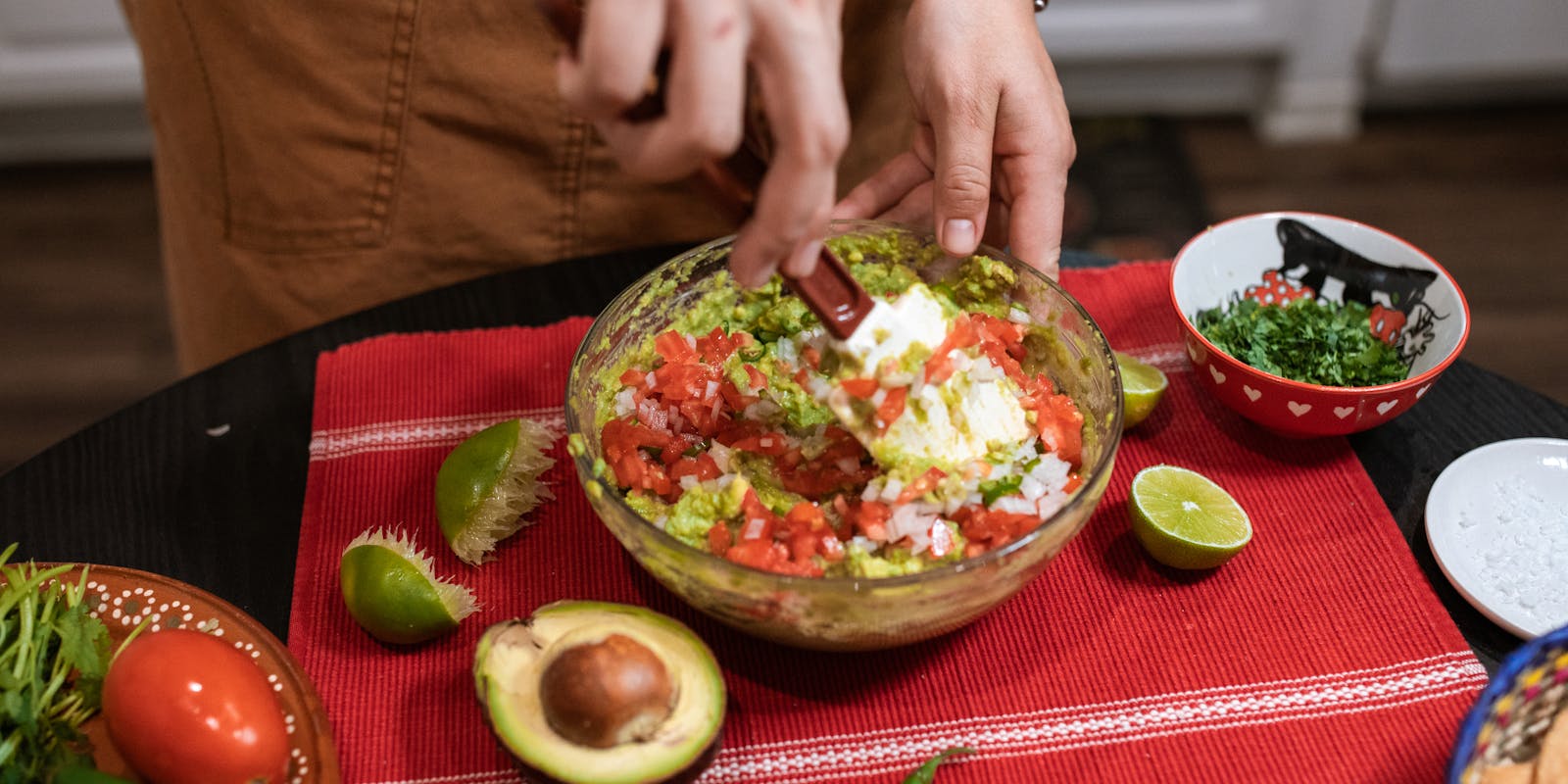
Beans are another essential ingredient that provides a source of protein and texture to many Mexican dishes. Whether mashed and refried or left whole in soups and stews, beans add a comforting and satisfying element to the cuisine. Tomatoes, with their juicy sweetness, are a staple in salsas, sauces, and guacamole, adding brightness and acidity to balance out savory dishes.
Avocados, known for their creamy texture and buttery flavor, are a beloved ingredient in Mexican cuisine, whether sliced on tacos, mashed into guacamole, or blended into sauces. Chilies, from mild poblanos to fiery habaneros, bring depth of flavor and varying levels of heat to dishes, imparting that signature Mexican spice.
Herbs and spices like cilantro, cumin, and Mexican oregano play a crucial role in enhancing the complexity of flavors in Mexican cooking. Whether adding freshness, earthiness, or warmth, these seasonings elevate dishes to new heights, creating a symphony of tastes that defines authentic Mexican cuisine.
In essence, traditional Mexican ingredients represent more than just components of a recipe – they encapsulate a cultural identity rooted in centuries-old culinary practices. By embracing these key elements, one can truly experience the heart and soul of Mexican cuisine in all its delicious and diverse glory
Regional Flavors: Exploring the Diverse Culinary Landscape of Mexico
Mexico's culinary landscape is as diverse as its geography and culture, offering a tantalizing array of flavors and ingredients that vary from region to region. From the coastal regions with their abundance of fresh seafood to the heart of Mexico with its rich, hearty stews, each area has its own unique culinary traditions that reflect the local climate, history, and traditions.
In the Yucatán Peninsula, for example, Mayan influences can be found in dishes like cochinita pibil, a succulent slow-roasted pork dish marinated in achiote paste and bitter orange juice, wrapped in banana leaves. Moving to the central region, one can savor the iconic mole poblano, a rich sauce made with chocolate, chilies, and a blend of spices that pairs perfectly with poultry or pork.
In the northern states, beef takes center stage with dishes like carne asada, a flavorful grilled beef dish often served with tortillas, guacamole, and salsa. Seafood lovers will revel in the delights of the coastal regions, where ceviche, aguachile, and shrimp tacos highlight the fresh flavors of the sea.
Further south, in Oaxaca, the land of seven moles, one can explore the complex and rich flavors of mole negro, mole Oaxaqueño, and mole coloradito, each with its own unique combination of ingredients and spices. And let's not forget about the street food scene in Mexico City, where tacos al pastor, tamales, and chilaquiles reign supreme, offering a taste of everyday life in the bustling capital.
Exploring the regional flavors of Mexico is a journey of discovery, where each bite tells a story of tradition, history, and cultural identity. Whether you're sampling the fiery salsas of the north or the delicate moles of the south, Mexican cuisine is a vibrant tapestry of flavors waiting to be savored and shared with the world
Popular Mexican Dishes: From Tacos to Tamales
Mexican cuisine is a vibrant tapestry of flavors, colors, and textures that have captivated taste buds around the world. From the iconic street food staple, tacos, to the labor-intensive delicacy of tamales, there's a rich diversity of popular dishes that showcase the true essence of Mexican gastronomy.
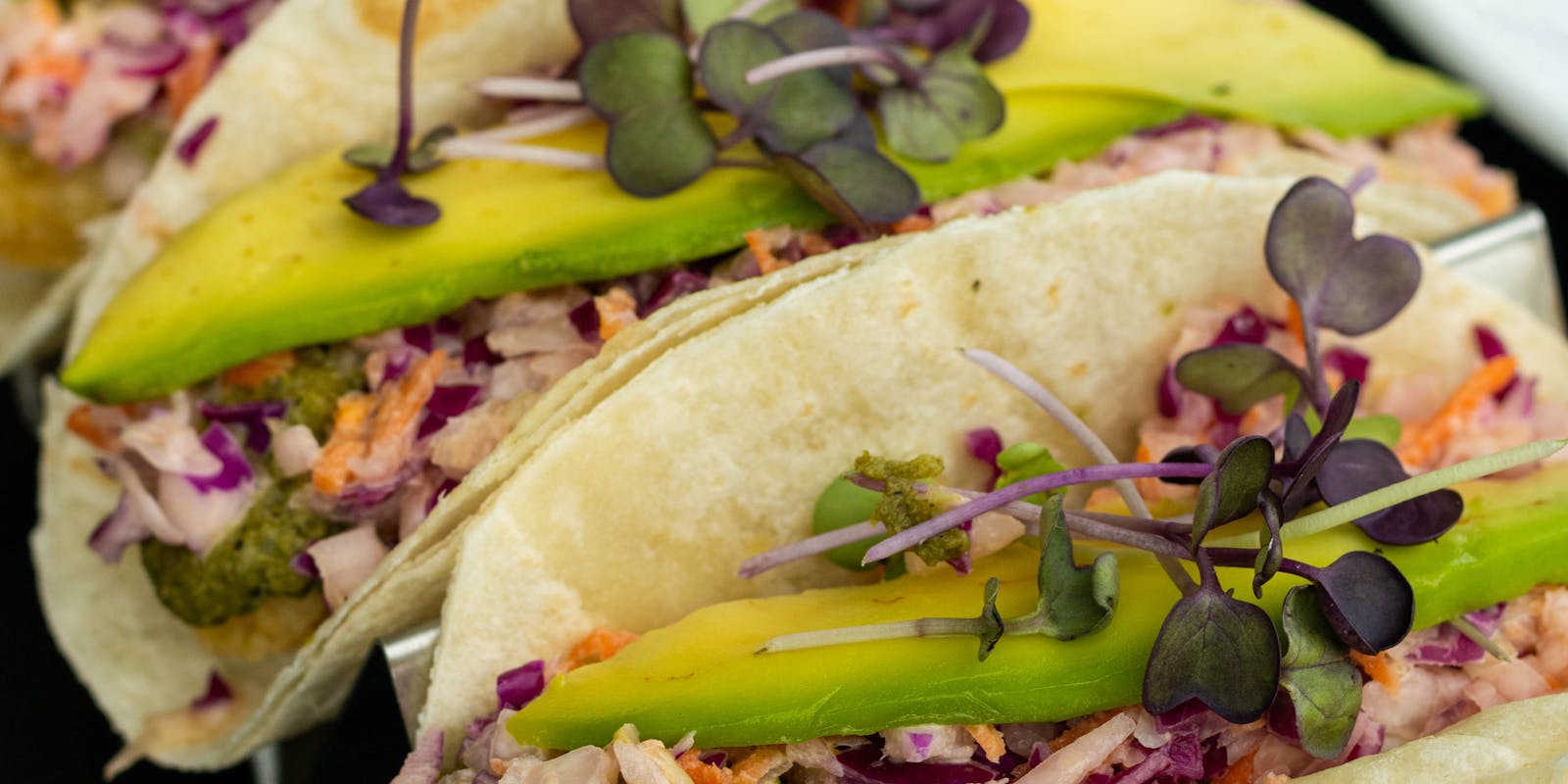
Tacos, perhaps the most well-known Mexican dish, feature a variety of fillings wrapped in a warm tortilla. Whether stuffed with tender carnitas, spicy chorizo, or grilled veggies, tacos are a versatile and customizable option that caters to a wide range of preferences. The toppings, from tangy salsa to creamy guacamole, add an extra layer of complexity to this beloved dish.
Tamales, on the other hand, are a labor of love that require patience and skill to prepare. A mixture of masa (corn dough) is spread onto a corn husk, filled with a savory or sweet filling like shredded chicken or mole sauce, then carefully folded and steamed. The result is a moist, flavorful bundle of goodness that reveals the dedication and tradition behind each delicious bite.
Other popular Mexican dishes include enchiladas, chiles rellenos, and pozole. Enchiladas consist of rolled tortillas filled with meat, cheese, or beans, then smothered in a chili sauce and baked to perfection. Chiles rellenos are poblano peppers stuffed with cheese, meat, or vegetables, coated in a light batter, and fried until golden and crispy. Pozole is a hearty stew made with hominy, pork or chicken, and flavored with a rich blend of spices, creating a comforting and satisfying meal.
Each of these dishes is a testament to the diverse culinary landscape of Mexico, where regional specialties and family recipes blend together to create a symphony of flavors that tantalize the taste buds and celebrate the country's rich cultural heritage. Whether you're craving something savory, spicy, or sweet, Mexican cuisine offers a delightful array of options that are sure to satisfy your appetite and leave you wanting more
Fusion Food: Modern Twists on Classic Mexican Recipes
Mexican cuisine is renowned for its rich flavors, vibrant colors, and diverse ingredients. While traditional Mexican dishes have stood the test of time, modern chefs are putting their own unique spin on classic recipes to create fusion foods that offer a contemporary twist on this beloved culinary tradition.
One way modern chefs are bringing innovation to Mexican cuisine is by incorporating global ingredients and techniques into traditional dishes. For example, you might find a Mexican-inspired sushi roll with a spicy chipotle mayo, or a taco topped with Korean barbecue beef. These creative interpretations blend the best of Mexican flavors with other culinary influences to create a harmonious fusion of tastes.
In addition to global influences, modern twists on classic Mexican recipes also include inventive techniques and presentations. Chefs are experimenting with new cooking methods, such as sous vide or molecular gastronomy, to elevate traditional dishes to new heights. From deconstructed tamales to foam-topped margaritas, these innovative approaches push the boundaries of what is possible in Mexican cuisine.
Moreover, the rise of plant-based and sustainable dining has also made its mark on Mexican fusion food. Chefs are incorporating more vegetarian and vegan options into their menus, using ingredients like jackfruit, huitlacoche, and nopales to create delicious and innovative dishes that appeal to a wider range of diners.
Overall, the fusion of modern twists on classic Mexican recipes offers a dynamic and exciting evolution of this ancient culinary tradition. By embracing new ingredients, techniques, and presentations, chefs are able to honor the heritage of Mexican cuisine while pushing it forward into a new era of gastronomic creativity and exploration
Conclusion
In conclusion, our culinary journey through the realms of Mexican cuisine has revealed a vibrant tapestry woven with tradition, innovation, and passion. From the indigenous roots that lay the foundation of authentic flavors to the regional diversity that showcases Mexico's rich culinary heritage, we have delved deep into the heart of a true culinary masterpiece. We've savored the iconic street tacos, indulged in the soul-warming tamales, and marveled at the fusion of traditional flavors with modern techniques.
Mexican cuisine isn't just about food; it's a celebration of history, culture, and community. Each dish tells a story, passed down through generations, capturing the essence of Mexico in every flavorful bite. So, whether you're a seasoned foodie or a curious explorer, take a bite of Mexico and immerse yourself in a world where every meal is a symphony of taste and tradition. Viva la cocina mexicana! 🇲🇽 #MexicanCuisine #FoodieParadise